
Barcelona was once a walled Roman colony called Barcino, and fragments of those ancient fortifications still stand in plain sight, unmarked and unnoticed by the thousands who pass them daily. This is a city where medieval Jewish quarters hide behind Gothic facades, where a chocolatier's mansion rivals Gaudí's most famous works, and where Joan Miró personally designed a museum to house his life's obsession. The obvious itinerary misses all of it.
Beyond the Sagrada Família queues and Park Güell selfie spots, Barcelona holds cultural experiences that reward the curious traveler. These aren't second-tier alternatives to famous landmarks; they're destinations that locals treasure and guidebooks consistently undervalue. Here's where to find the artistic and historical Barcelona that most visitors never see.
1. Where Contemporary Culture Takes Center Stage in El Raval
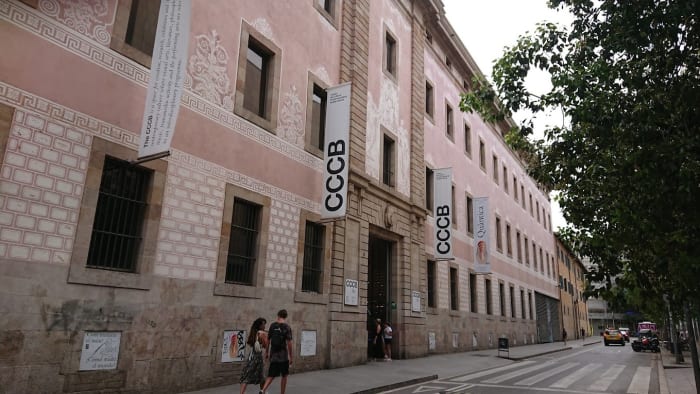
The Centre de Cultura Contemporània de Barcelona, known simply as CCCB, occupies a striking building on Carrer de Montalegre that fuses a restored 19th-century almshouse with bold contemporary architecture. This isn't a museum with a permanent collection gathering dust. Instead, CCCB operates as a constantly evolving cultural laboratory, hosting rotating exhibitions that tackle everything from urban design to photography to the digital transformation of society.
What sets CCCB apart is its refusal to stay predictable. One visit might feature the World Press Photo Exhibition, showcasing the year's most powerful photojournalism. The next could explore artificial intelligence, migration patterns, or the future of cities. Film screenings, debates, festivals, and lecture series fill the programming calendar, making this a space where Barcelona's intellectual and artistic communities actually gather rather than simply observe.
The building itself deserves attention. The central courtyard, with its massive tilted mirror reflecting the historic facade, has become one of Barcelona's most photographed architectural details. El Raval's gritty, multicultural energy spills right up to the entrance, placing high culture in direct conversation with street life in a way that feels distinctly Barcelona.
Local Tip: Admission is free every Sunday after 3 PM, though you'll need to pre-book your ticket online at cccb.org. The center is open Tuesday through Sunday from 11:00 to 20:00. Curated by Maria S., a local journalist who has explored every corner of Barcelona.
Hidden Gem
Centre de Cultura Contemporània de Barcelona (CCCB)
2. The Chocolate Baron's House That Rivals Casa Batlló
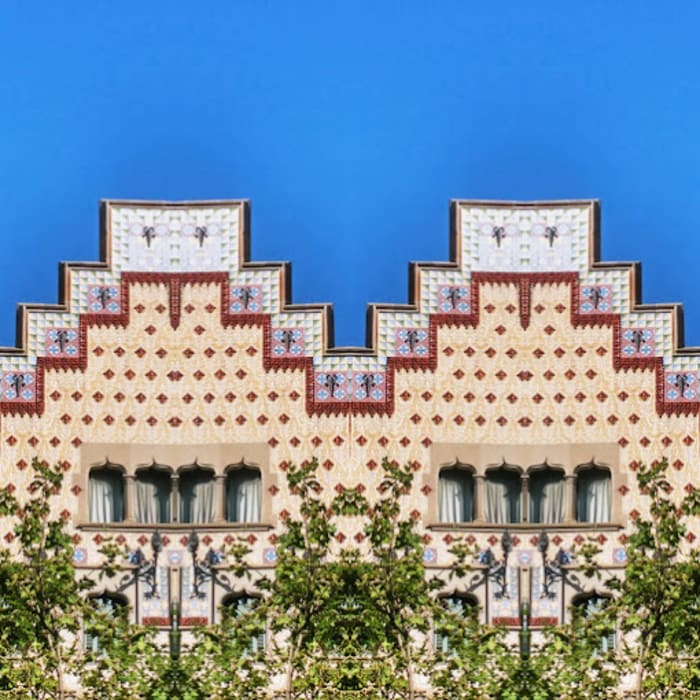
Everyone crowds into Casa Batlló on Passeig de Gràcia, but the building directly next door tells an equally fascinating story with a fraction of the visitors. Casa Museu Amatller was commissioned in 1900 by chocolatier Antoni Amatller, who hired architect Josep Puig i Cadafalch to transform an existing house into a showcase of Catalan modernism blending Romanesque and Gothic influences.
Unlike the more famous Gaudí buildings, Casa Amatller preserves its original furniture and the personal art collection of its wealthy owner. The interior offers a window into how Barcelona's industrial elite actually lived during the city's golden age of architecture. Visitors can explore with an audio guide for €17 or opt for a dramatized tour at €27 that brings the building's history to life through theatrical storytelling.
The first-floor café serves chocolate made by the Amatller company, which still operates today. Sipping hot chocolate beneath original modernist details while tourists queue outside Casa Batlló next door feels like discovering a cheat code for experiencing Barcelona's architectural heritage.
Local Tip: The building is open daily from 10:00 to 20:00. Book tickets in advance at amatller.org and arrive early to photograph the stunning stepped gable without crowds. Curated by Maria S., a Barcelona-based journalist who has explored every corner of the city.
Hidden Gem
Casa Museu Amatller
3. Where Barcelona Honors Its Greatest Surrealist
Perched on the slopes of Montjuïc, the Fundació Joan Miró isn't just a museum housing the artist's work; it's a building Miró himself helped conceptualize as a living space for contemporary art. Designed by his friend, Catalan architect Josep Lluís Sert, the museum opened in 1975 and remains one of the most important collections of modern art in Spain.
Miró's abstract and surrealist works span decades, from early figurative paintings to the explosive colors and biomorphic shapes that defined his mature style. The collection includes more than 10,000 pieces encompassing paintings, sculptures, textiles, and works on paper. Temporary exhibitions push beyond Miró to explore broader concepts in modern and contemporary art.
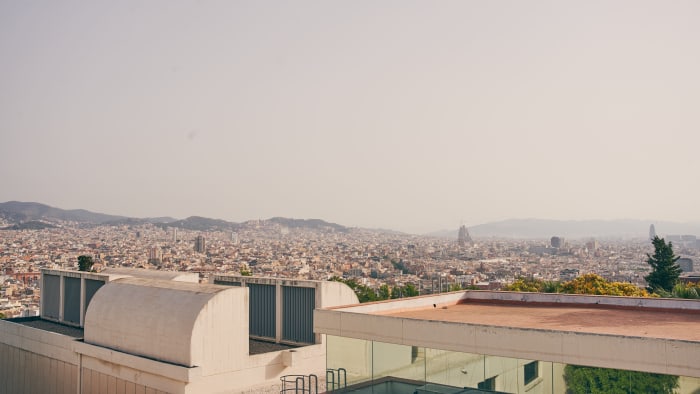
The building itself deserves attention. Sert designed flowing white spaces that allow Mediterranean light to illuminate the galleries naturally. The rooftop terrace offers sweeping views of Barcelona below, making the journey to Montjuïc worthwhile even before you step inside.
Local Tip: General admission is €9 online (€8 with a Barcelona library card), and students and seniors receive discounts. The museum is open Tuesday through Sunday, closing at 19:00 on Sundays. Curated by Laura B., a licensed Barcelona guide with a background in architecture.
Hidden Gem
Fundació Joan Miró
4. A Free Museum Where Barcelona's Past Lives Underground
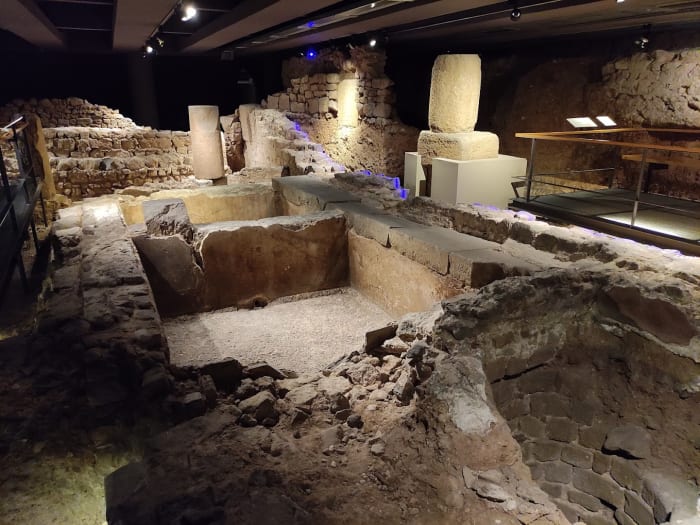
The Barcelona History Museum (MUHBA) in the Gothic Quarter does something no other museum in the city can: it takes you beneath street level to walk through preserved Roman ruins that include ancient walls, streets, and homes. This isn't a reconstruction or a model. You're standing in the actual remains of Barcino, the city that existed here two thousand years ago.
The underground archaeological site reveals how Barcelona evolved from Roman colony to medieval powerhouse. You'll see remnants of a wine production facility, fish salting factories, and private residences, all preserved beneath the Plaça del Rei. The experience of walking through subterranean streets while modern Barcelona hums above creates a powerful sense of the city's depth.
Above ground, the museum occupies buildings surrounding the medieval royal palace complex, including the Saló del Tinell, where Ferdinand and Isabella reportedly received Columbus after his return from the Americas. The combination of Roman archaeology and Gothic grandeur makes MUHBA essential for understanding how Barcelona became the city it is today.
Local Tip: Admission is free every Sunday after 15:00. The museum opens Tuesday through Sunday from 10:00 to 19:00. Arrive early on free days, as the underground ruins have limited capacity. Curated by Laura B., who combines her passion for history with her expertise as an architect.
Hidden Gem
Barcelona History Museum (MUHBA)
5. Romanesque Treasures on a Hill Overlooking the City
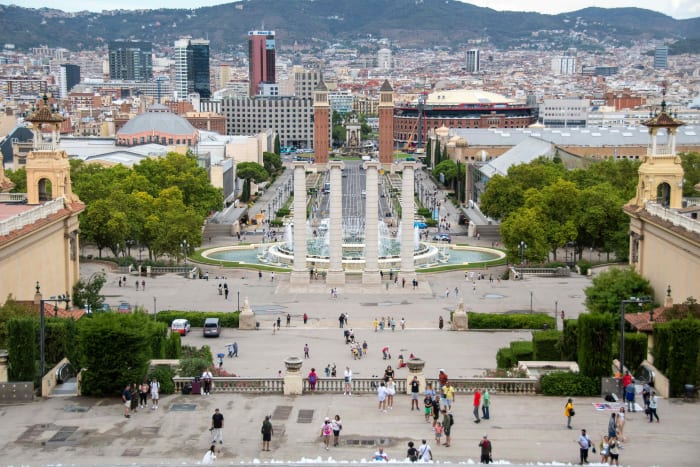
The Museu Nacional d'Art de Catalunya (MNAC) occupies the palatial building crowning Montjuïc, and while the views alone justify the climb, the museum's collection of Romanesque art is genuinely unmatched. These 10th and 11th-century frescoes were rescued from crumbling Pyrenean churches in the early 20th century and painstakingly reconstructed in galleries designed to replicate their original chapel settings.
Walking through the Romanesque galleries feels like entering a series of medieval mountain churches, complete with curved apses and the intense, otherworldly faces that characterize pre-Gothic religious art. The collection represents the most extensive assembly of Romanesque painting outside Italy, and it tells a distinctly Catalan story that predates Barcelona's more famous Gothic and modernist periods.
Beyond Romanesque art, MNAC spans centuries of Catalan and Spanish creativity, including Gothic altarpieces, Baroque paintings, and an excellent collection of modernist furniture and decorative arts. The building's location at the top of the monumental staircase above Plaça Espanya makes it impossible to miss, yet many visitors skip it entirely.
Local Tip: Admission is free every Saturday after 15:00 and on the first Sunday of each month. Standard tickets cost €12 for adults. Open Tuesday through Saturday from 10:00 to 18:00, with reduced Sunday hours closing at 15:00. Curated by Maria S., whose journalism background drives her to uncover Barcelona's overlooked treasures.
Hidden Gem
Museu Nacional Art Catalunya (MNAC)
Barcelona rewards travelers who look beyond the expected. These cultural landmarks reveal a city shaped by Roman engineers, medieval artisans, industrial-age visionaries, and avant-garde artists who made Catalonia a creative capital. Each site offers something you won't find on a postcard but will remember long after you leave.
To explore these hidden cultural gems with someone who knows their stories, browse private tours in Barcelona led by local experts. Or connect directly with Barcelona's local guides who can tailor authentic travel experiences to your interests. For more unexpected discoveries in Barcelona, check out our guide to 48 hours in Barcelona, done the local way.